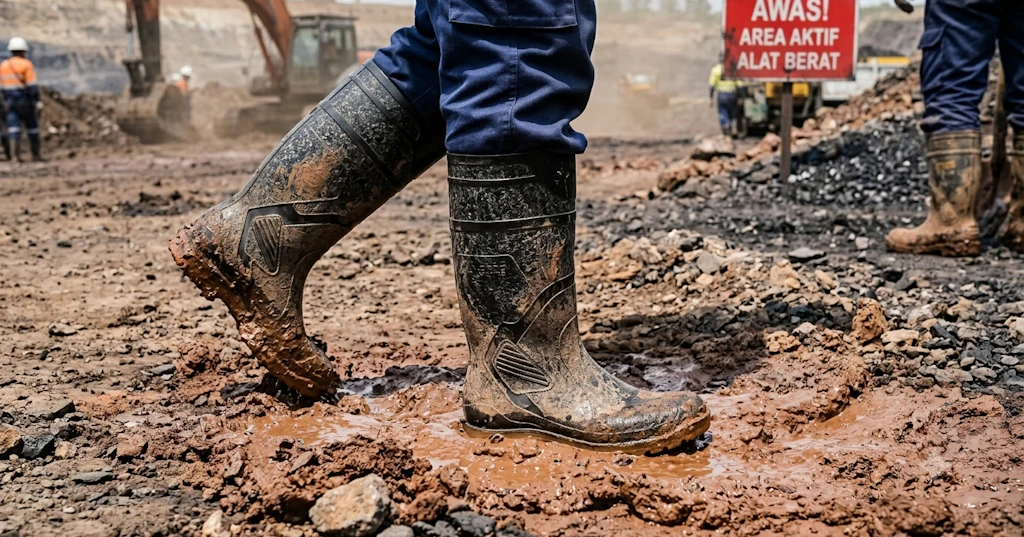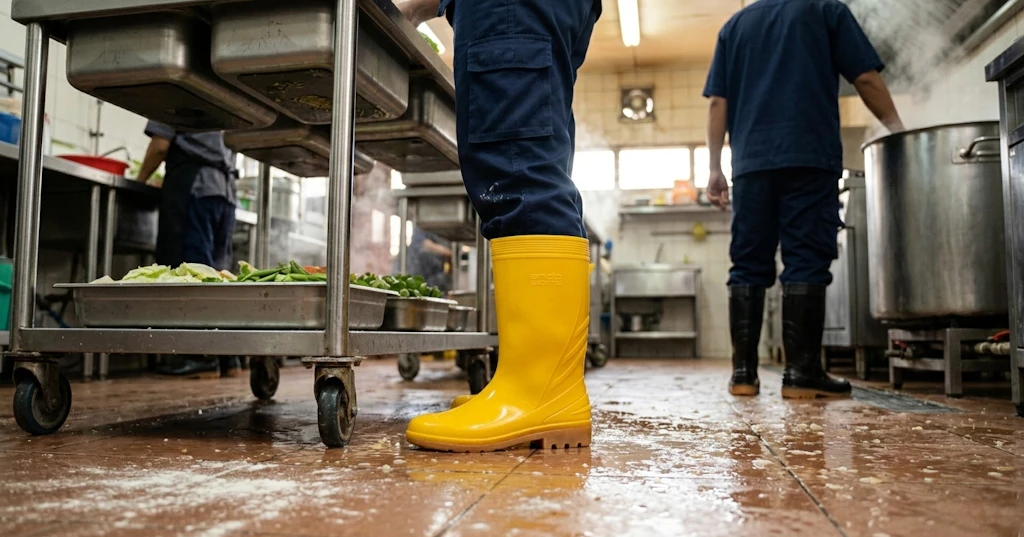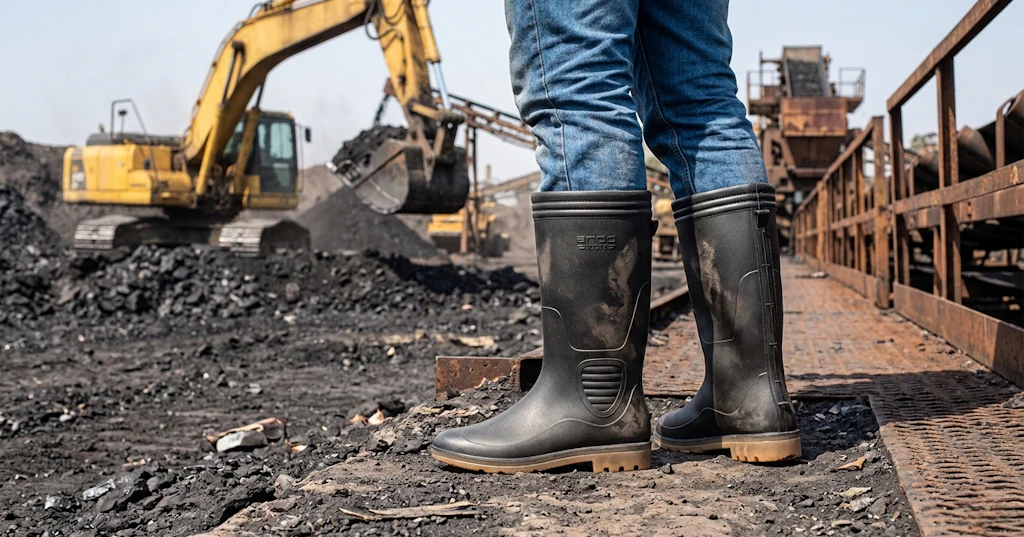
Reliable work boots are like the best coworkers: always there for you, providing support, and keeping you protected. However, just like any other equipment, work boots have a lifespan. Hanging on to worn-out boots doesn't just make you uncomfortable—it can also jeopardize your safety. So, how can you tell when it's time to replace your work boots? Here are 5 signs you should watch out for.
1. Outsole is Worn Down
This is the clearest and most important sign. The outsole shows wear on the bottom of the boot. If the tread pattern is flat, thin, or even has holes, it means the boot’s grip or traction is seriously reduced. Without good traction, your risk of slipping or falling on slick surfaces is much higher. Be sure to inspect the heel and ball of the foot—these areas usually wear out fastest.
2. Upper Part Starts to Wear Out
The upper part of the boot, which protects the top of your foot, also needs your attention. If you notice cracks, tears, or loose stitching, that’s a warning sign. Small cracks can let in water, dirt, or hazardous chemicals. Meanwhile, loose stitching can weaken the overall structure, reducing the level of protection the boots are meant to provide.
3. Damage to the Toecap
Many work boots, especially those used in construction or factories, come with steel or composite toecaps. This part is important to protect your feet from falling objects or impacts. If you see dents or cracks on the toecap area, even small ones, the boots are no longer suitable for use. Damage in this area means the protective integrity is compromised, and the boots won’t provide the safety you need when it matters.
4. Loss of Cushioning and Support
If your work boots don't feel as comfortable as they used to, it could be a sign that the internal cushioning and support are worn out. Pay attention to whether the insole feels too thin, or if your heels hurt after a full day of standing. Losing cushioning can cause pain in your feet, knees, and back. It's not only about discomfort—this can also negatively affect your posture and work productivity.
5. Feeling Damp or Persistent Odors
If your feet often feel wet or damp even when it isn’t raining, it’s likely there's a problem with the waterproof lining or with the boot’s materials. Constantly moist feet can cause fungal infections and unpleasant odors. Plus, if bad smells persist even after cleaning, it could indicate that bacteria are thriving in boots that are simply too old.
Conclusion
Don't wait for an accident before replacing your work boots. Worn and damaged boots are not a wise investment—they're an unnecessary risk. Inspect your work boots regularly, and if you notice any of these five signs, it’s time to consider a new pair. Your safety is the top priority, and it starts from the ground up.