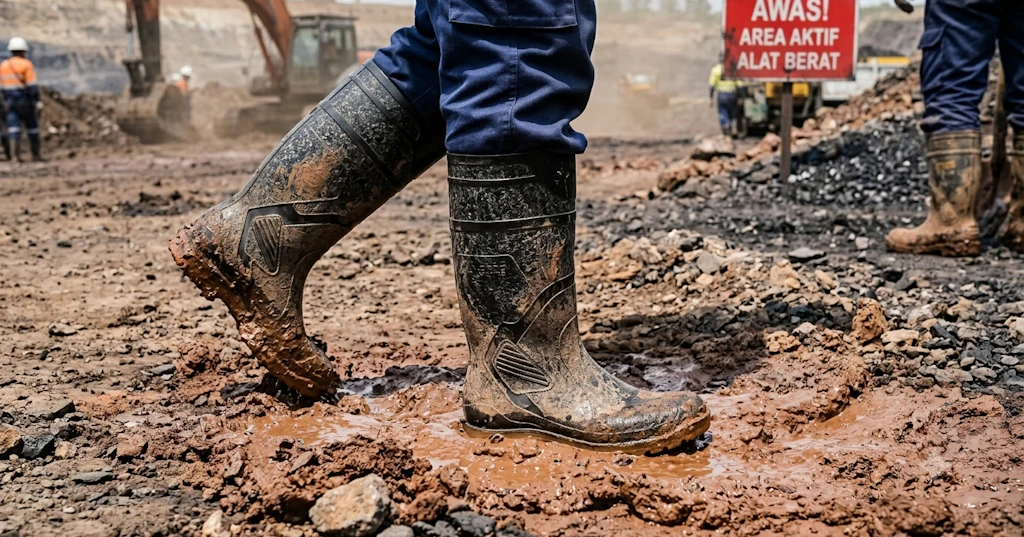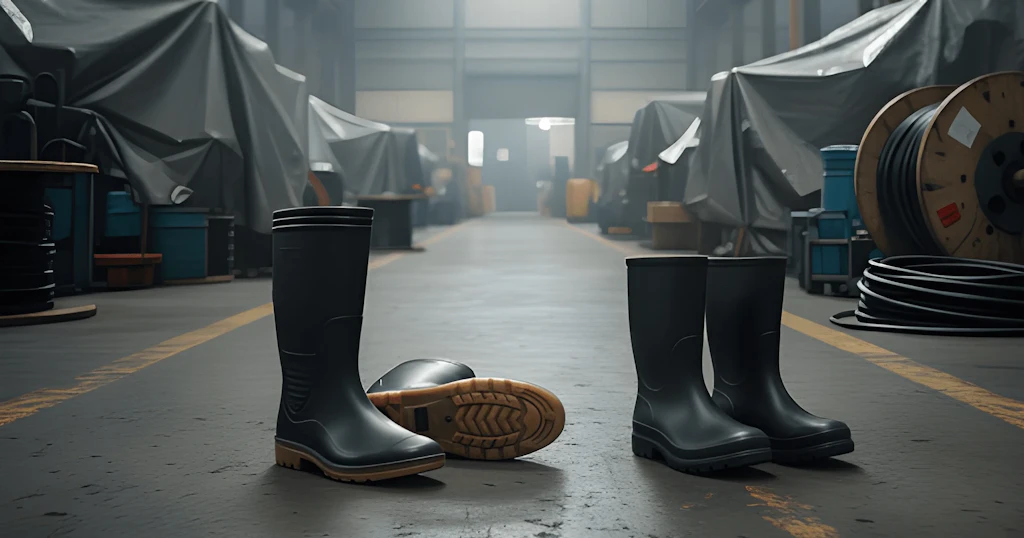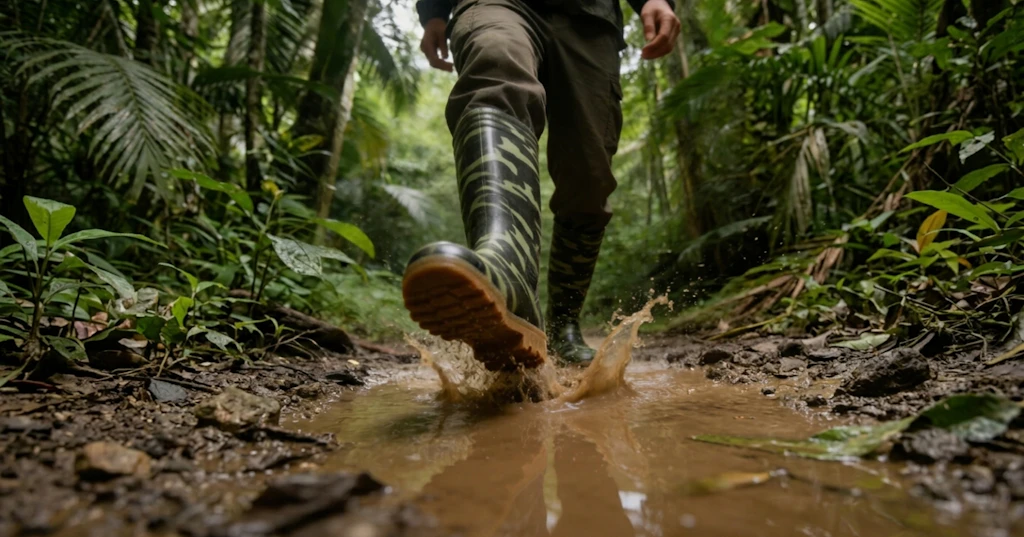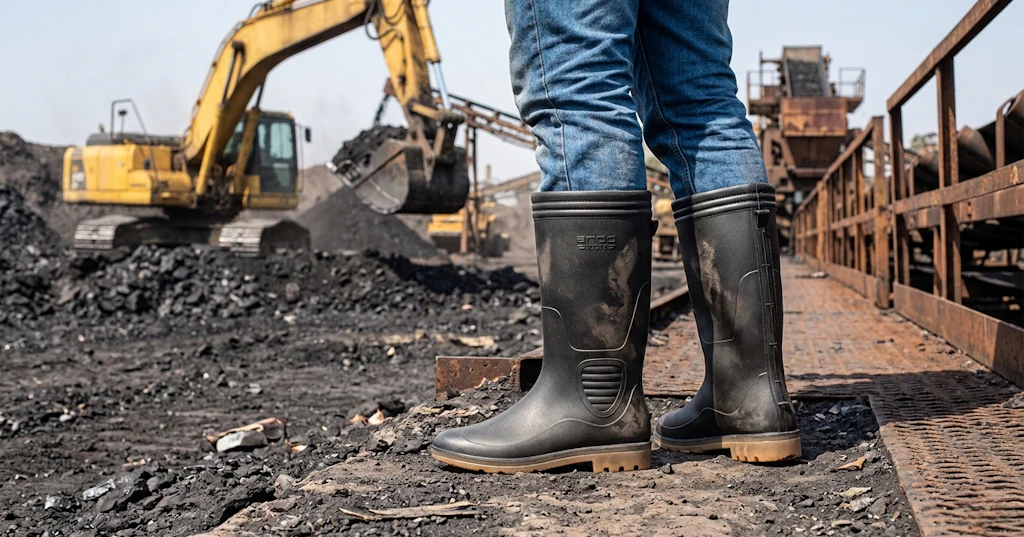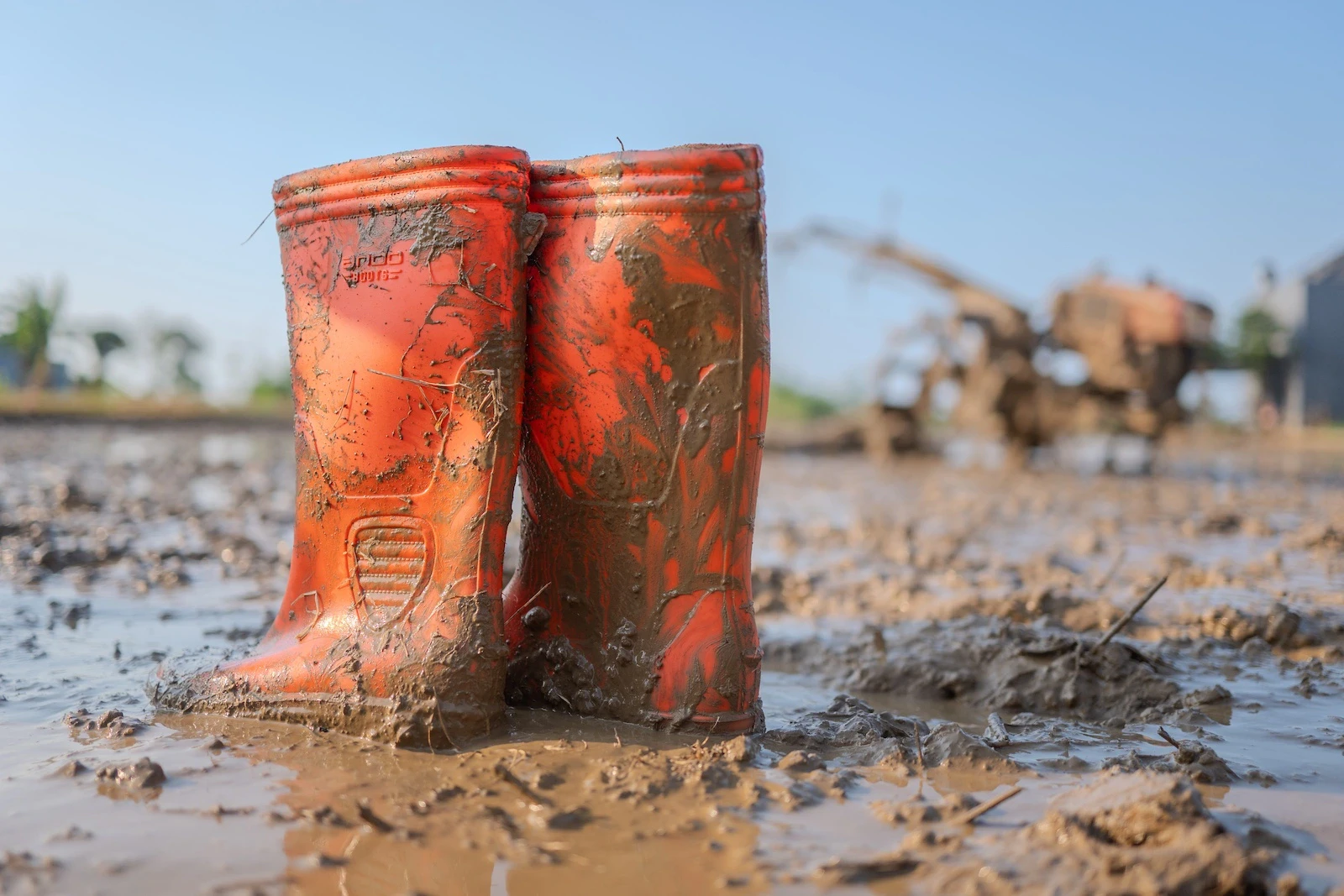
Investing in quality personal protective equipment like PVC boots is a smart move, especially for those who work in wet or muddy environments. Ando boots made from PVC materials are known for their exceptional durability. However, even though they're tough, proper care is key to ensuring your beloved Ando boots last for years.
By following these simple tips, you can maximize the lifespan of your PVC boots:
1. Clean Immediately After Use
Don't let mud, dirt, or even chemical residue dry and stick to your PVC boots.
- Quick Rinse: As soon as you take them off, rinse your PVC boots with a water hose or a low-pressure jet spray to remove dirt stuck on the surface and tread (sole) grooves.
- Brush and Soap: For stubborn dirt, use a soft-bristled brush and non-abrasive soapy water (such as mild dish soap). Gently scrub until all remaining dirt and oil are gone.
- Focus on the Sole: The sole or tread is often where most dirt accumulates. Make sure the tread grooves are thoroughly cleaned to maintain optimal traction.
2. Proper Drying (Avoid Excessive Heat!)
The drying process is crucial, and a common mistake is drying them with direct heat.
- Dry in the Shade: Dry your PVC boots in a well-ventilated area and avoid direct sunlight or heat sources like radiators or dryers. Excessive heat can cause the PVC material to become stiff, brittle, and eventually crack over time.
- Hang Upside Down (Optional): If the inside is wet, hang them upside down or stand them vertically so water can drain out and the inside dries quickly. You can also insert old newspapers or moisture absorbers to speed up the drying process.
3. Regular Inspection for Minor Damage
Schedule regular visual inspections to detect small issues before they become major damage.
- Check for Cracks: Look for fine cracks or tears, especially in the folding areas or the seam between the upper boot and the sole.
- Check the Soles: Make sure the tread on your boots isn't excessively worn, which can reduce grip (traction) and protection.
- Early Repairs: If you find small tears, immediately repair them with PVC glue or a suitable sealant to prevent them from getting bigger or letting water in.
4. Ideal Storage
The way you store your PVC boots outside working hours affects their condition.
- Cool, Dry Place: Store your PVC boots in a cool, dry, well-ventilated area. Avoid places that are damp or have extreme temperatures (too hot or too cold).
- Avoid Stacking: Do not stack boots under heavy loads, as this can deform their shape and cause permanent creases that may become weak points. Store them upright (standing).
- Keep Away from Strong Solvents: Make sure the storage area is free from gasoline, thinner, or other strong chemical solvents that can damage the PVC boot material.
By consistently applying these care and storage steps, your PVC boots will remain flexible, safe, and in top working condition, ensuring reliable foot protection for every job.