In an increasingly global era that is more aware of environmental and social issues, the concept of sustainability has transformed from merely a trend to a necessity for companies worldwide, including in Indonesia and Asia. For Business-to-Business (B2B) companies, sustainability is not just a responsibility toward the planet, but also becomes a crucial factor for building reputation, attracting investors, meeting stakeholder expectations, and maintaining competitiveness. One area where companies can showcase their commitment to sustainability is through their supply chain, including the selection of Personal Protective Equipment (PPE) such as work boots. Choosing eco-friendly work boots from suppliers with a similar commitment to Corporate Social Responsibility (CSR) is a strategic step that yields long-term positive impacts. This article will discuss why sustainability in B2B supply chains is important, especially in the context of work boots, and how Ando Boots can be a partner aligned with your company's sustainability values.
Why is Sustainability Important in the B2B Supply Chain?
Unsustainable supply chains can result in numerous risks for companies, ranging from reputational damage due to association with poor supplier practices, regulatory hurdles related to environmental issues, to supply disruptions caused by non-renewable resources. On the other hand, sustainable supply chains can provide many benefits:
- Improved Reputation and Brand Image: Companies that demonstrate real commitment to sustainability will be valued by consumers, investors, and the broader community.
- Risk Reduction: Minimize legal, operational, and reputational risks associated with poor environmental and social practices.
- Cost Efficiency: Sustainable practices often lead to more efficient resource use, waste reduction, and ultimately cost savings.
- Access to New Markets: More and more companies and government agencies are requiring or giving preference to suppliers that meet certain sustainability standards.
- Increased Employee Engagement: Employees tend to be prouder and more motivated to work for companies with social and environmental responsibility.
Choosing Environmentally Friendly Work Boots
In the context of work boots, sustainability can be realized through several aspects:
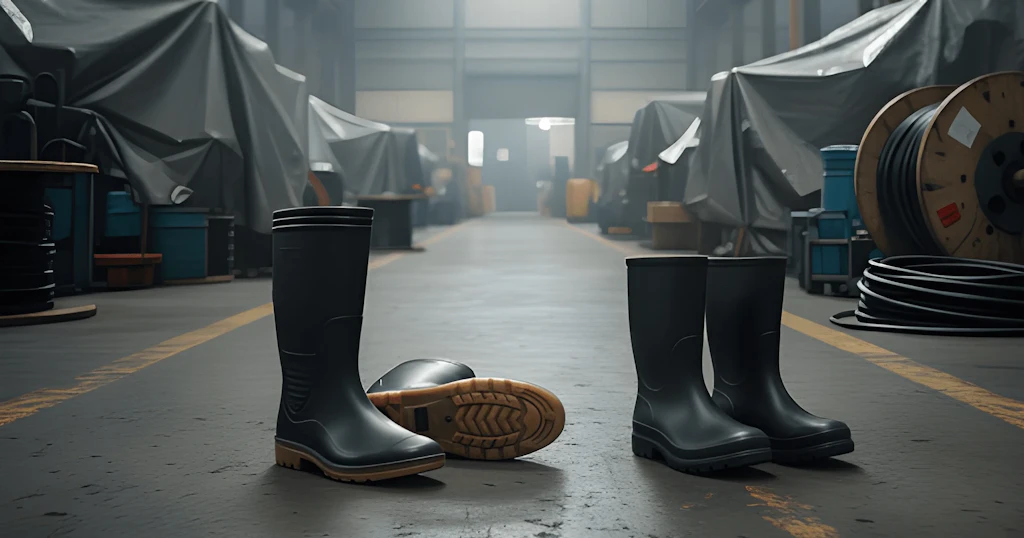
- Recyclable or Sustainable Materials: Look for boots made from materials that can be recycled at the end of their life cycle. Polyvinyl Chloride (PVC), the main material used by Ando Boots, is actually a recyclable material. Although often viewed as controversial, proper PVC recycling processes can reduce waste and the need for new materials. Ando Boots actively discusses PVC myths and recycling processes in blog articles, demonstrating transparency and commitment to education. In addition, Ando Boots' commitment to the "Zero Waste" program also shows efforts to minimize waste in production processes and product use.
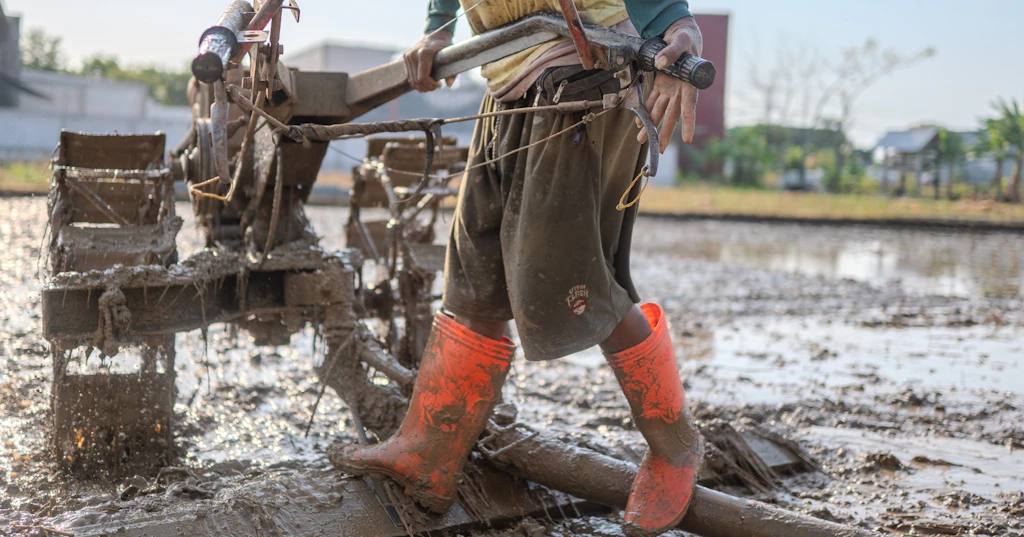
- Durability and Long Life Span: One of the most fundamental principles of sustainability is "reduce". Choosing highly durable boots, such as Ando Boots products built with high-grade PVC for "long term use", directly reduces the frequency of purchases and waste generated from quickly worn-out boots. This is a very practical and efficient form of sustainability.
- Responsible Production Processes: Select suppliers who apply environmentally friendly manufacturing practices, such as the use of renewable energy, proper waste management, and efficient water use. Although this information may not always be available to the public, suppliers who are transparent and have environmental certifications can be prioritized.
- Minimal and Eco-Friendly Packaging: Also consider the product packaging. Choose boots packaged with recyclable or biodegradable materials and use minimalist packaging to reduce waste.
Ando Boots: Your Partner for Sustainability
Ando Boots not only focuses on quality and protection but also has a clear commitment to sustainability. As mentioned on their website, Ando Boots is committed to "making boots that not only offer comfort and durability, but also consider their impact on the environment." This commitment is reflected in:
- Zero Waste Program: Efforts to implement recycling systems and minimize waste.
- Recyclable PVC Material: The use of PVC which, with the right understanding and recycling process, can be a more sustainable option compared to single-use materials.
- Product Durability: Focus on manufacturing durable boots, contributing to reduced consumption.
By choosing Ando Boots as your work boot supplier, your company not only gets high-quality products that protect employees, but also actively supports more sustainable purchasing practices. This aligns with your company's CSR goals and helps build a more responsible supply chain.
Conclusion
Sustainability in the B2B supply chain, including for PPE such as work boots, is no longer an optional choice, but a strategic imperative. By choosing products and suppliers committed to sustainability, like Ando Boots, your company can boost its reputation, reduce risks, meet stakeholder expectations, and contribute positively to the environment and society. This is an investment in a brighter and more responsible future for your business and the next generation.