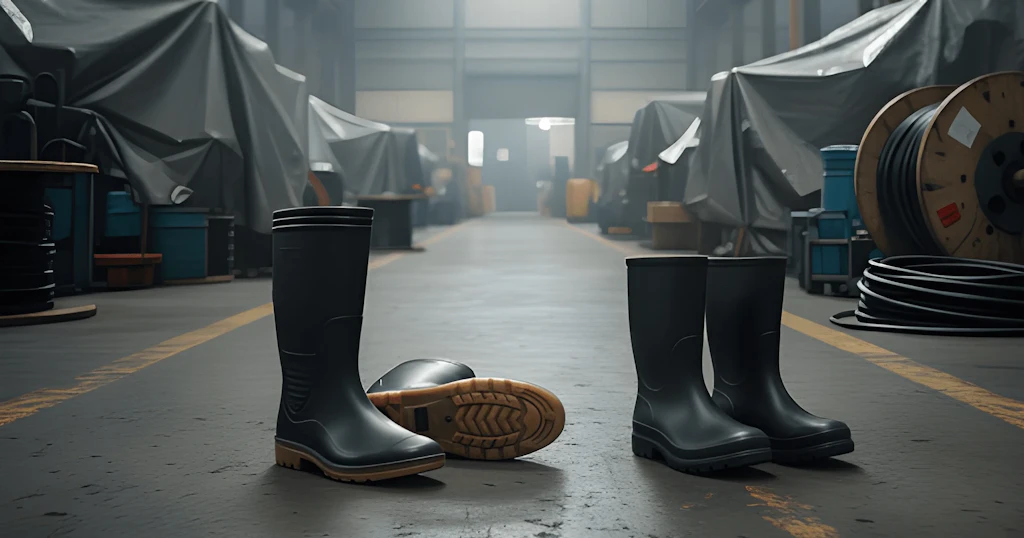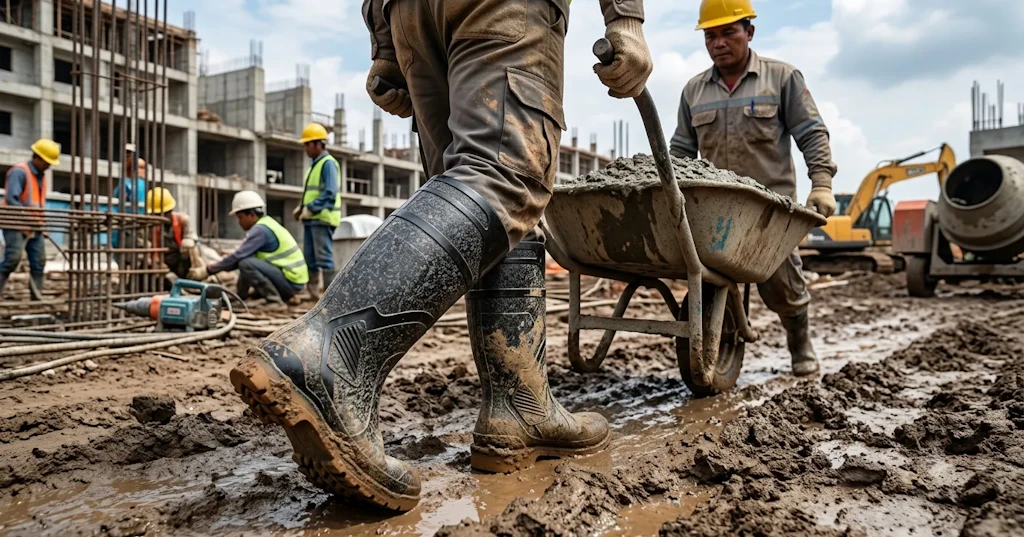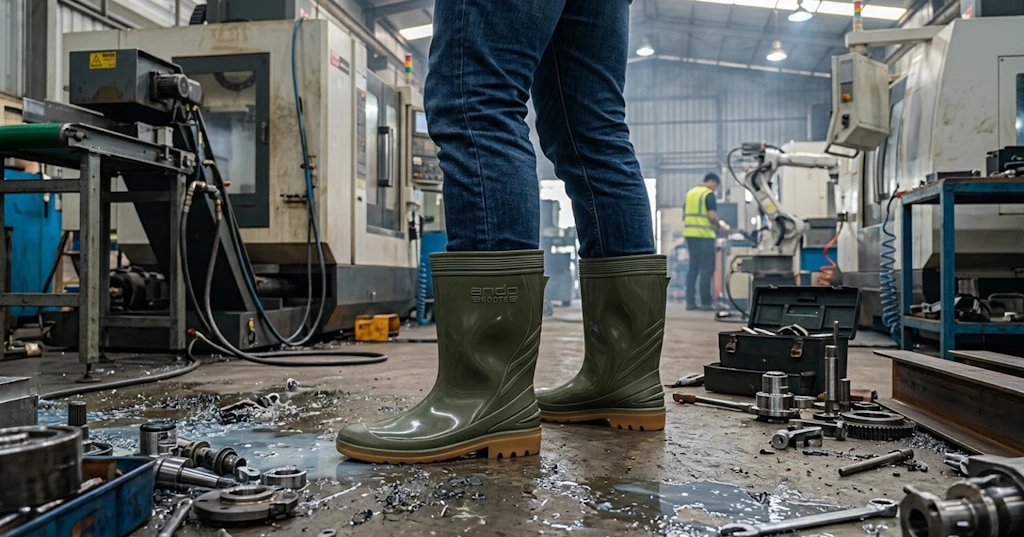
Foot Personal Protective Equipment (PPE), especially work safety boots, serve as the frontline protection for employees against various hazards in the workplace. However, simply providing safety boots is not enough to ensure optimal protection and long-term cost efficiency. To make sure every employee is well protected and the company's investment in PPE yields maximum results, a comprehensive and effective Foot PPE Management Program is required. This program is not only the responsibility of the procurement department but involves cooperation between management, health and safety departments, supervisors, and all employees. This article will discuss crucial steps to building and implementing an effective foot PPE management program for your company, highlighting how products such as Ando Boots can be an integral part of the program.
An effective foot PPE management program starts with careful planning and continues through evaluation and ongoing improvement. Here are the key components of such a program:
- Clear Policies and Procedures
The first step is to set company policies regarding the use of foot PPE. This policy should explain why foot PPE is important, who is required to wear it, in which situations, and which types of safety boots are approved for use in different work areas. Clear procedures should also be established for the process of requesting, receiving, replacing, and reporting issues related to foot PPE. This policy must be communicated effectively to all employees.
- Choosing the Right PPE That Meets Standards
Based on a risk analysis in each work area (Job Hazard Analysis), determine the safety boot specifications needed. Make sure the selected boots comply with existing safety standards (such as SNI in Indonesia) and are suitable for the specific hazards present. The selection process should include input from employees who will be using the boots, the health and safety department, and the procurement team. Choosing a trusted supplier like Ando Boots, which offers a range of boot options for various industries and is committed to quality, will make this process easier.
- Employee Training and Education
Employees should be provided with adequate training on:
- Why wearing the proper safety boots is important for their safety.
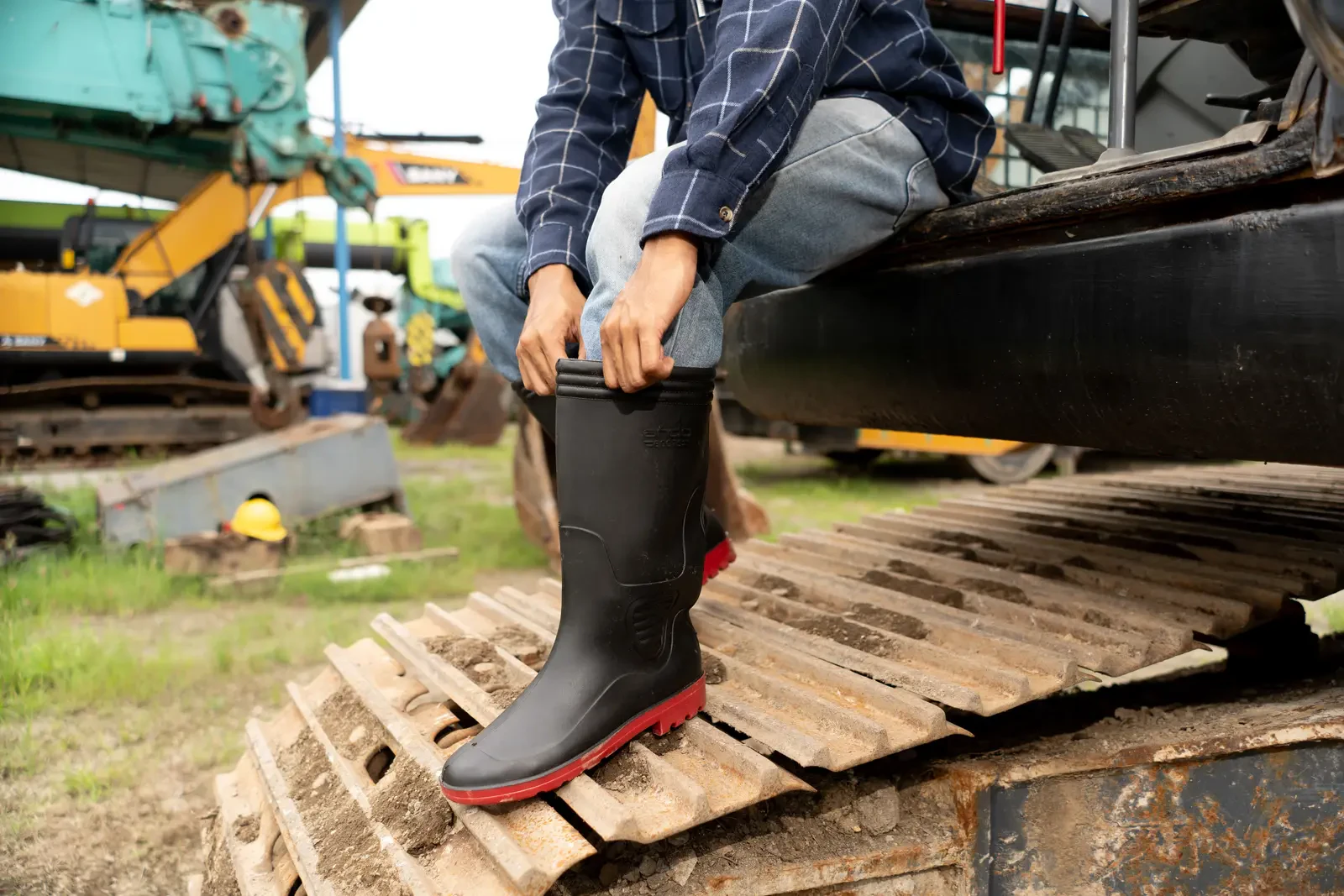
- How to put on and take off boots correctly.
- How to care for and clean the boots to maximize their lifespan. The article on the Ando Boots blog about PVC boot maintenance tips can serve as a reference.
- Signs that boots are worn out, damaged, or no longer provide adequate protection and need to be replaced, as explained in the article about signs work boots need replacing.
- The procedure for reporting damage or problems with the boots. Training should be conducted regularly, especially for new employees or when there are changes in the type of safety boots.
- Distribution and Record-Keeping
The safety boots distribution system should be orderly and well documented. Each employee must receive boots that fit their size and job specifications. Keep a record of the issuance of boots to each employee, including the date issued, type of boots, and size. This record keeping is important for tracking, quality assurance, and inventory management purposes.
- Inspection, Maintenance, and Replacement
Schedule regular inspections of boots used by employees to ensure they are still in good and safe condition. Inspections can be carried out by supervisors or employees themselves using clear guidelines. Encourage employees to immediately report if their boots are damaged or uncomfortable. Establish clear replacement policies, for example based on a certain time period or the condition of the boots. Boots that are no longer fit for use must be replaced immediately to maintain safety.
- Evaluation and Continuous Improvement
The foot PPE management program should be evaluated regularly to ensure its effectiveness. Collect feedback from employees regarding the comfort and adequacy of the boots used. Review data on accidents or foot-related incidents to see if there are patterns indicating shortcomings in the program. Use this information to continuously improve policies, procedures, and foot PPE selection.
- The Role of Management and Employee Engagement
The success of this program highly depends on the full support from top management. Management must provide adequate resources and show commitment to employee safety. Active employee involvement at each stage of the program, from selection to evaluation, is also crucial to ensure that the program is accepted and well implemented. Employees who feel involved will take more responsibility for their own safety and that of their colleagues.
By implementing a holistic foot PPE management program like this, your company not only complies with safety regulations, but also creates a safer and healthier work environment. Investment in this program will pay off through reduced work accidents, increased employee productivity (as they feel safe and comfortable), and more efficient PPE asset management. Choosing quality products such as Ando Boots as part of this program will strengthen the foundation of safety and well-being in your workplace.