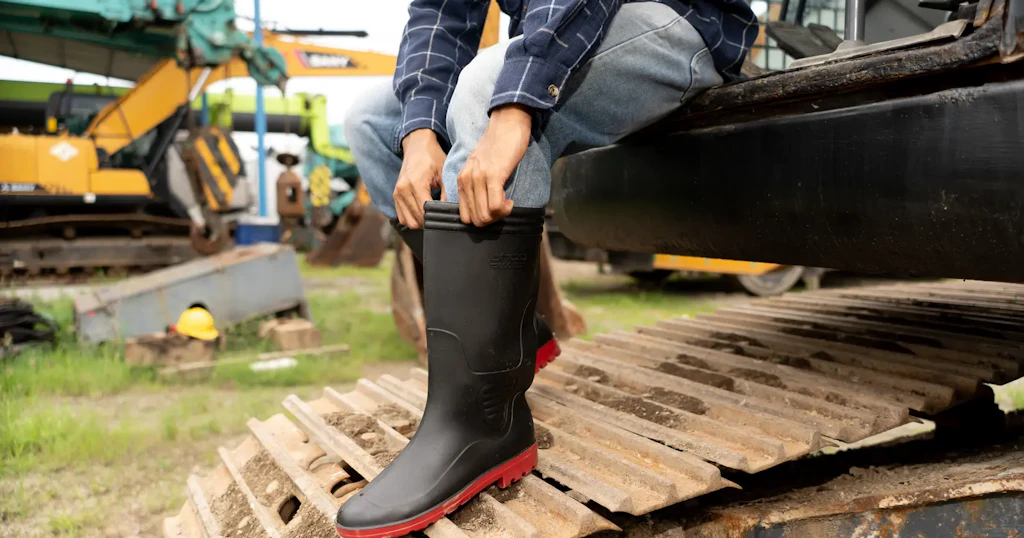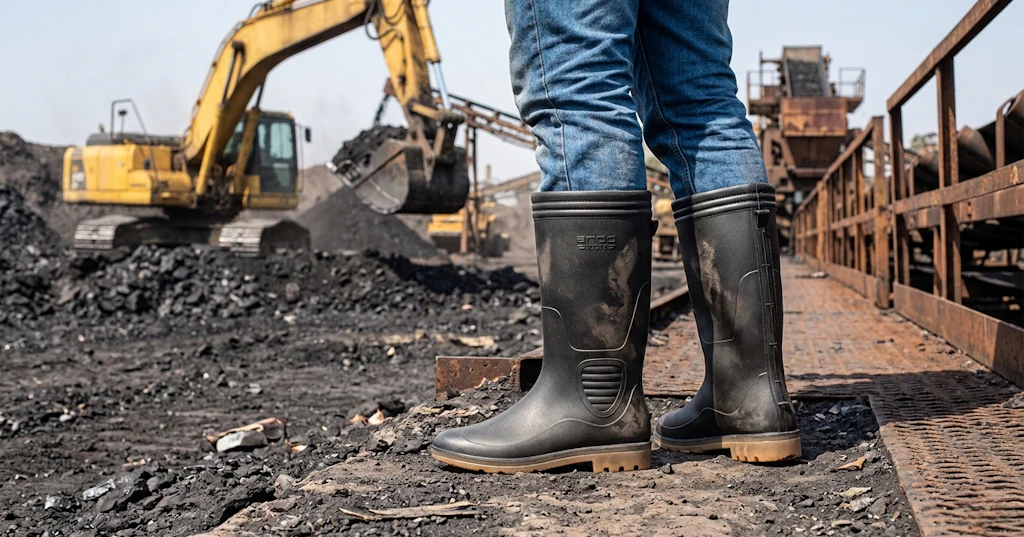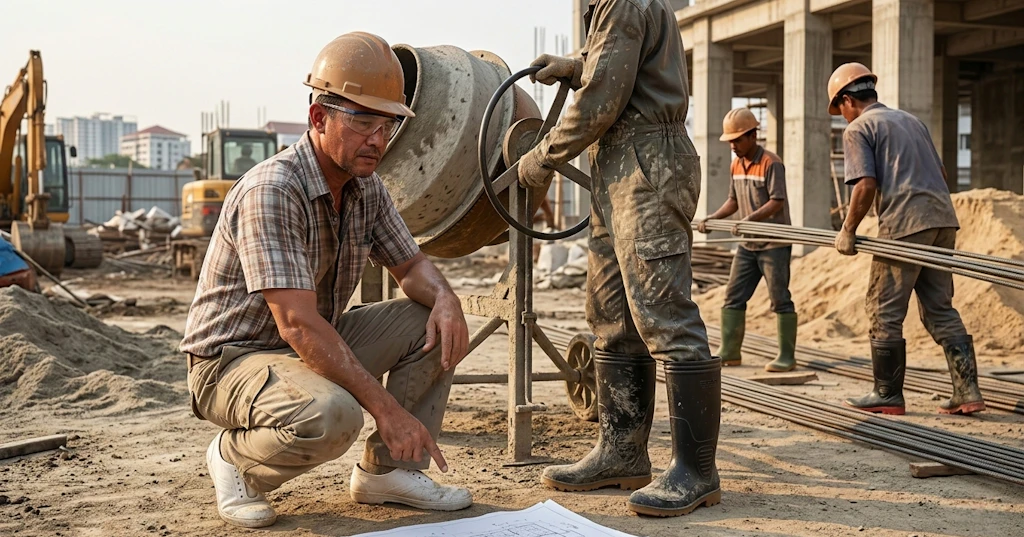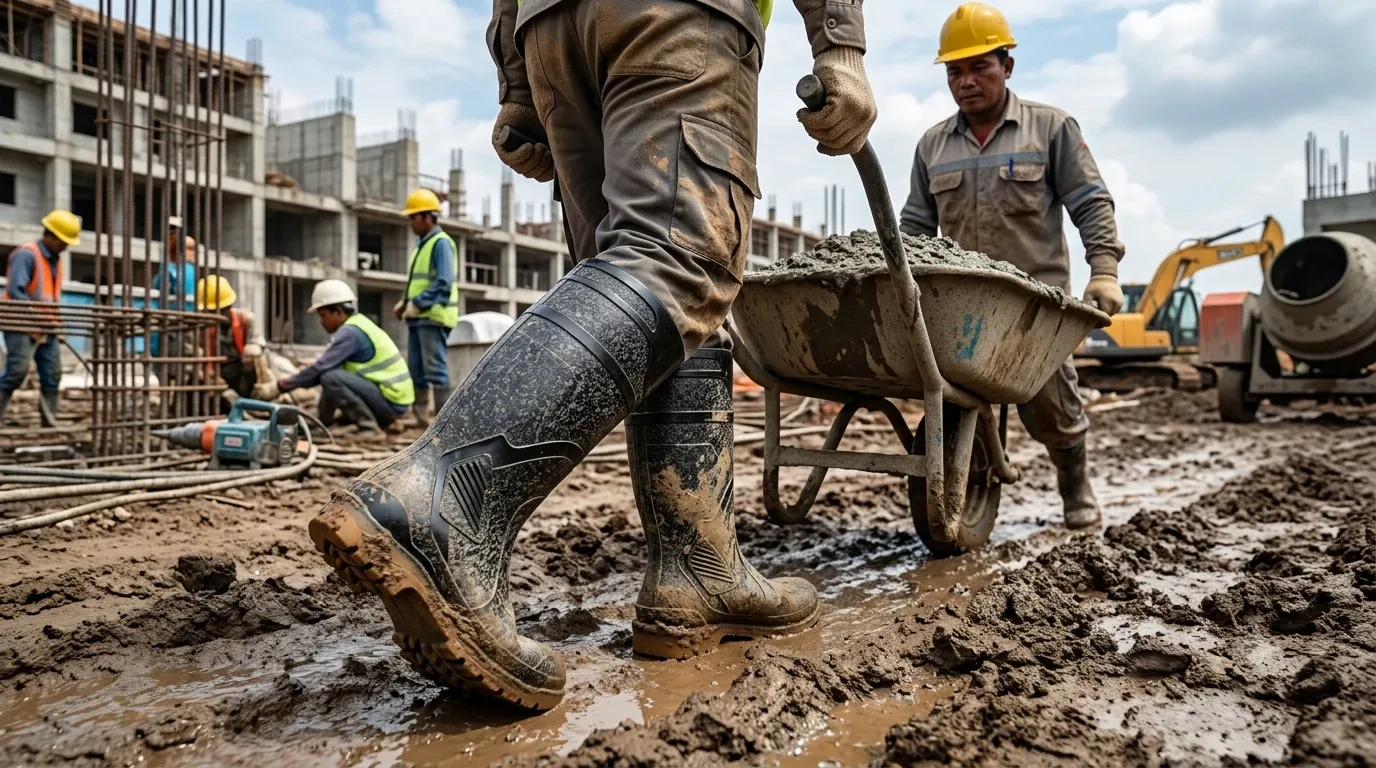
In supply chain and corporate procurement management, procurement departments often face a classic dilemma: how to cut monthly operational costs without lowering the occupational safety standards required by regulation. Frequently, key performance indicators (KPIs) focusing on instant cost savings drive procurement teams to select Personal Protective Equipment (PPE) with the lowest purchase price available on the market. However, when it comes to procuring heavy-duty inventory such as work boots, an approach focused solely on the initial purchase price often becomes a financial boomerang for the company.
When a company sacrifices quality for a cheaper price, the logical consequence faced on the ground is a higher rate of equipment failure. Low-quality work boots are prone to cracking, tearing at the seams, or wearing out their soles after just a few months of intensive use. As a result, the company ends up trapped in a frequent replacement cycle. The bulk procurement costs incurred two to three times a year accumulate and far exceed the price of a single pair of high-quality boots that can last more than a year. Therefore, understanding how to structurally reduce work boot replacement costs is the key to achieving efficient PPE budgeting for your company.
Identifying Hidden Costs of Substandard PPE
To get a complete picture of expenditures, financial and operational management must pay attention to the hidden costs that arise from using work boots that break down quickly:
- Recurring Logistics and Administrative Costs: Every time a request for PPE replacement comes from the field, time and administrative expenses are spent processing purchase orders (POs), coordinating with vendors, shipping costs, and the internal warehouse distribution process.
- Loss of Productive Work Hours (Downtime): When a field worker’s boots break in the middle of an ongoing project, work inevitably stops. The worker needs to return to the logistics station to request a replacement, meaning their productive hours for the day are reduced.
- Risks of Compromised Safety: Boots that are already worn or developing hairline cracks are often still used by workers until replacements arrive. This drastically decreases their protection against hazards such as water, mud, mild chemicals, or slippery surfaces, and can lead to workplace accidents at any time.
Tactical Strategies to Reduce Replacement Frequency
To break this wasteful cycle, companies can implement new procurement standards focusing on long-term asset durability:
- Switch to High-Grade Material Composition: The most crucial step is ensuring that your company’s work boot supply is made from premium-grade Polyvinyl Chloride (PVC), which is crack-resistant and bend-proof. Product lines from Ando Boots, for example, are specially designed with this premium PVC formulation to ensure long-term use even in extreme outdoor job sites and fluctuating tropical weather.
- Implement a Centralized PPE Management Logbook: Management should begin rigorously documenting the lifespan of PPE for each work division. By recording when items are distributed and when they are damaged, the procurement team will have valid data to assess the durability of products from their vendors.
By positioning foot protection procurement as an operational asset investment—not just a consumable expense—companies proactively secure long-term budget efficiency. Establishing a strategic partnership with Ando Boots as a trusted PVC boot vendor in Indonesia provides supply stability and consistent mass production quality that your corporation needs.
- To better understand this cost comparison analysis mathematically, you can read our complete calculation framework in the article Investing in High-Quality Boot Investment for Your Business.
- Also evaluate whether the boots your staff currently use need to be replaced by reading 5 Signs Your Work Boots Need Replacing.